ODAITO NEST おだいとうネスト
-野付半島まで10分の個室ゲストハウスー

ODAITO NEST おだいとうネスト
-野付半島まで10分の個室ゲストハウスー


This specialized winter itinerary focuses on the birding highlights I believe define Eastern Hokkaido: the magnificent sea eagles of the Okhotsk coast, the rare seabirds of the Nemuro Peninsula, and the iconic red-crowned cranes of the Kushiro region. I have structured this route around several scheduled boat excursions, while keeping the shore-based birding flexible so I can help you adapt to real-time winter conditions.
Stay: Utoro
Recommended Activities:
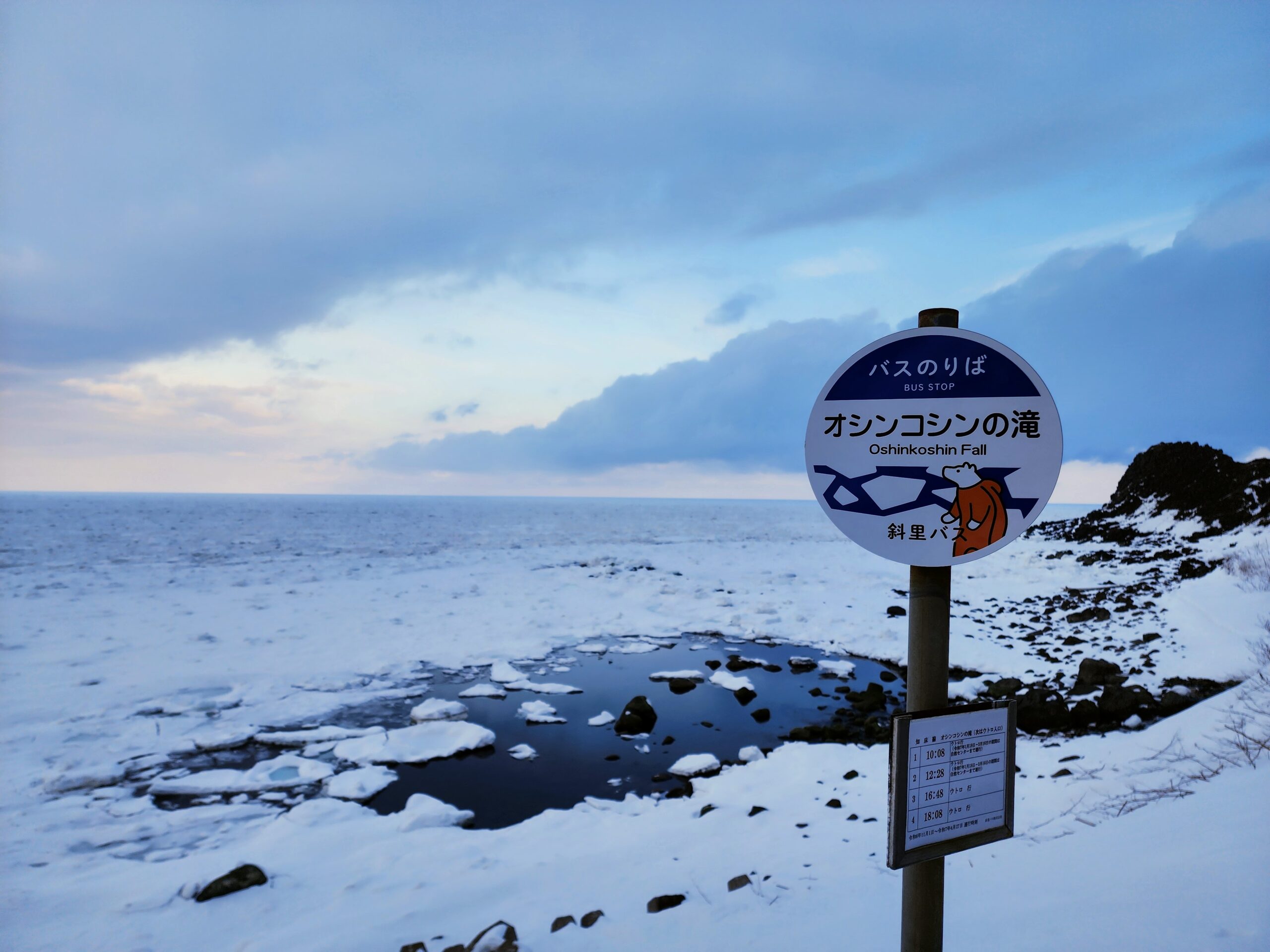
Utoro Shoreline Scanning — I recommend taking a slow drive or walk along safe stretches of the coast, keeping your binoculars trained on the ice edge. As one of the primary drift-ice viewing areas, Utoro offers excellent, flexible opportunities to spot raptors when visibility is clear.
Shore-based Sea Eagle Scouting — Shiretoko in mid-winter is synonymous with Steller’s and White-tailed Sea Eagles. While I consider the harbor and coastline to be prime areas to scan for these massive raptors, I suggest keeping expectations realistic as sightings from land depend on the movement of the ice and the wind.
Stay: Rausu
Recommended Activities:
Rausu Port Preparation — I suggest using today to confirm your check-in and meeting times for tomorrow’s early morning sailing. In my experience, preparation is key for a smooth departure.
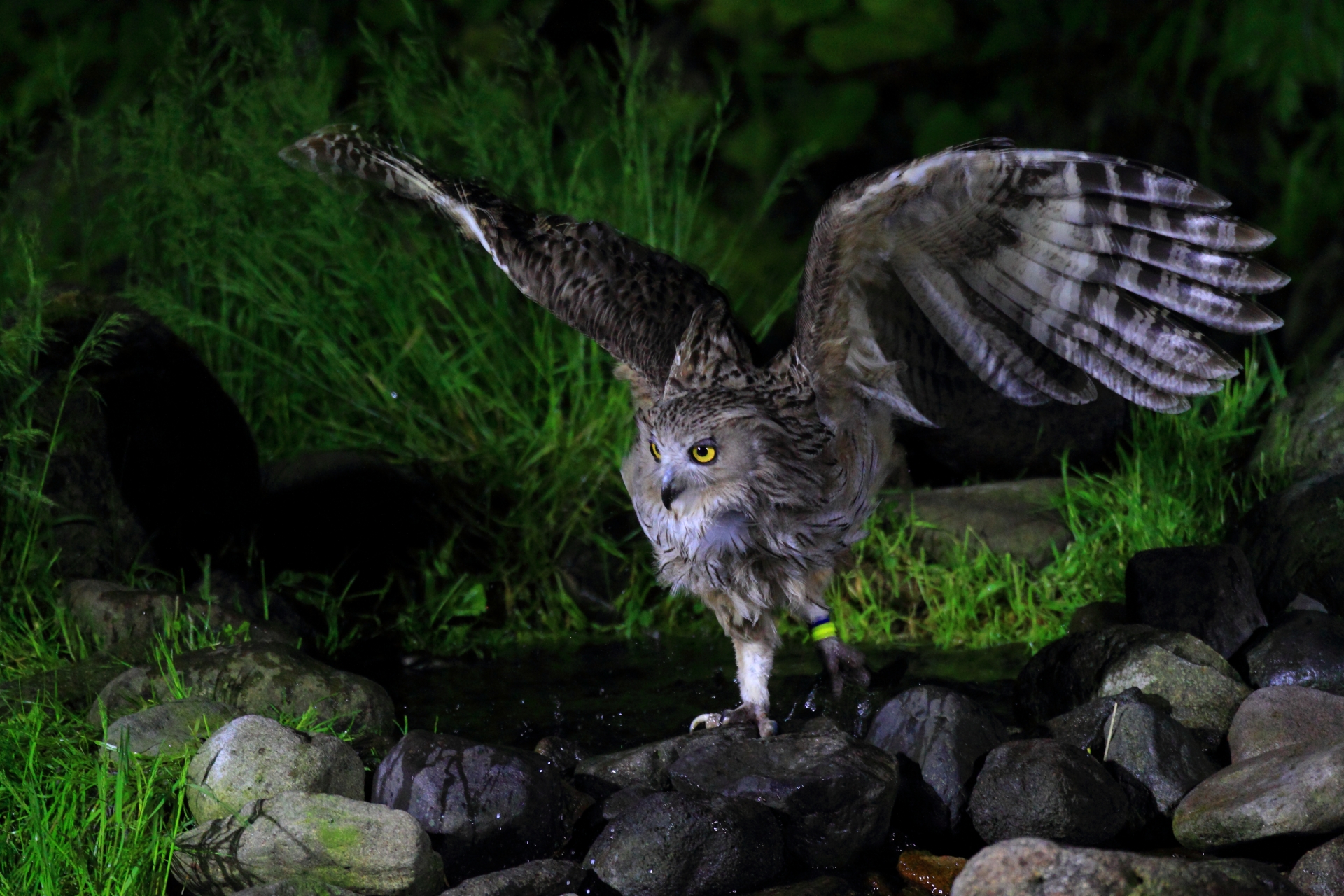
Blakiston’s Fish Owl Observatory (Lodge Washi-no-yado) — I recommend experiencing a night-time vigil for one of the world’s rarest owls. Please note that I must remind you a phone reservation is required (Tel: 0153-87-2877).
Best months: Late January to mid-March. This day is centered on the morning boat schedule.
Stay: Rausu
Recommended Activities:
Drift Ice & Bird Watching Cruise (Morning Departure) — I suggest opting for the 2.5-hour sailing (typically around 8:30 a.m.) to maximize your time on the water. I recommend being prepared for shorter cruise durations if drift-ice conditions are particularly dense or shifting.
Early Check-in — I advise you to ensure your check-in is complete at least 30 minutes before departure to secure your spot and receive the latest safety briefing.
Stay: Odaito (Notsuke Peninsula area)
Recommended Activities:
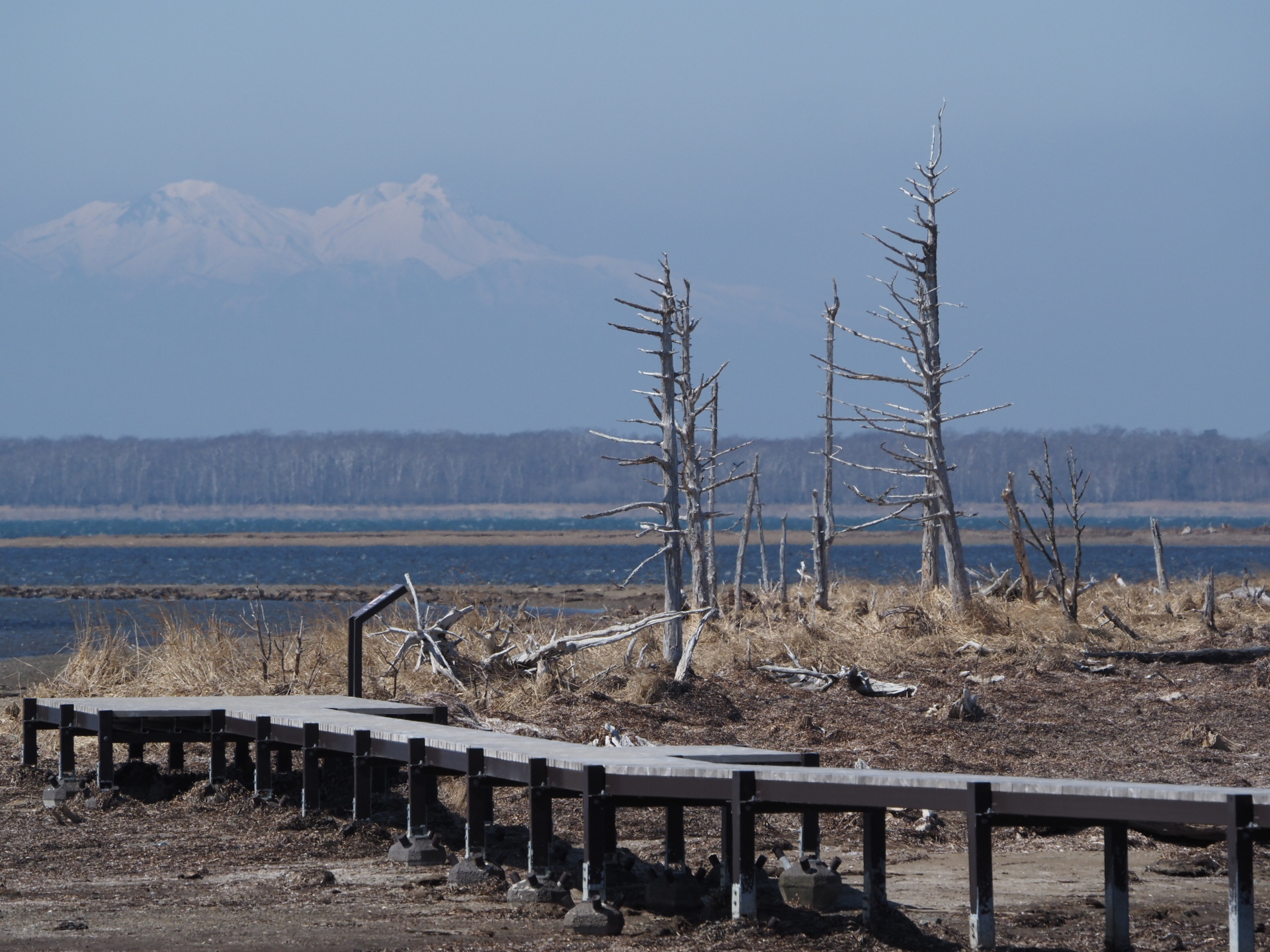
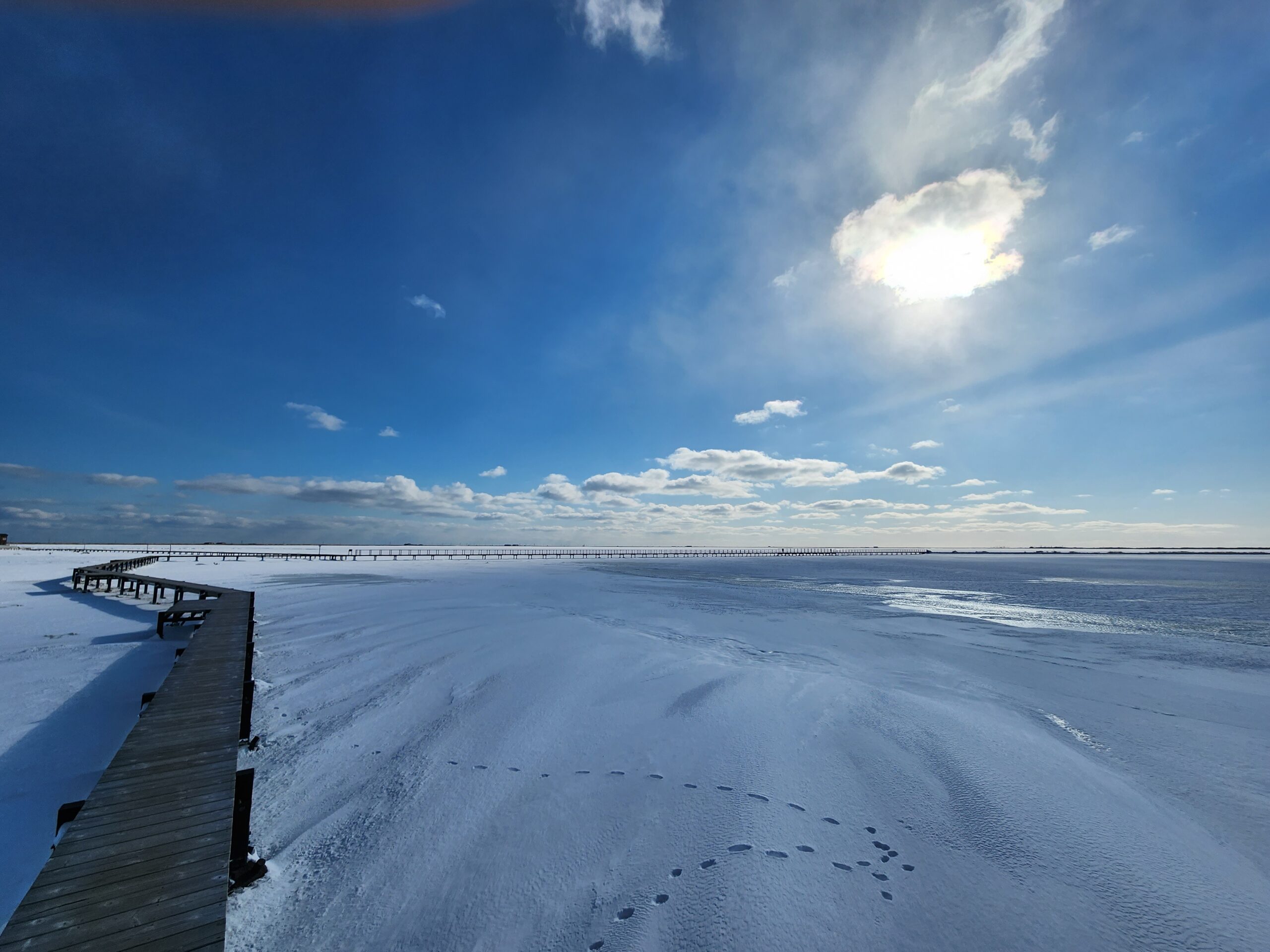
Notsuke Peninsula Birding Drive — I recommend utilizing the long, narrow road of the sand spit to quickly switch between bay and seaside habitats. In winter, I view this area as a prime zone for spotting snow-active songbirds like Snow Buntings and Asian Rosy Finches, as well as large raptors perched on the frozen landscape.
Stay: Odaito (Return after the cruise)
Recommended Activities:
Morning: Shunkunitai — I find winter to be a powerful time to visit this unique ecosystem of dunes and forests. I consider it an ideal location to observe large wintering birds, including various sea eagles.
Afternoon: Ochiishi Nature Cruise — I suggest joining the winter sailing (typically 12:30–15:30, November through March). I highly recommend this boat for its winter targets, specifically alcids and sea ducks.
Winter Targets at Sea — I suggest keeping an eye out for Ancient Murrelets, Spectacled Guillemots, Crested Auklets, Long-tailed Ducks, and Harlequin Ducks, which I frequently see highlighted in regional winter birding reports.
Stay: Kushiro (or depart)
Recommended Activities:
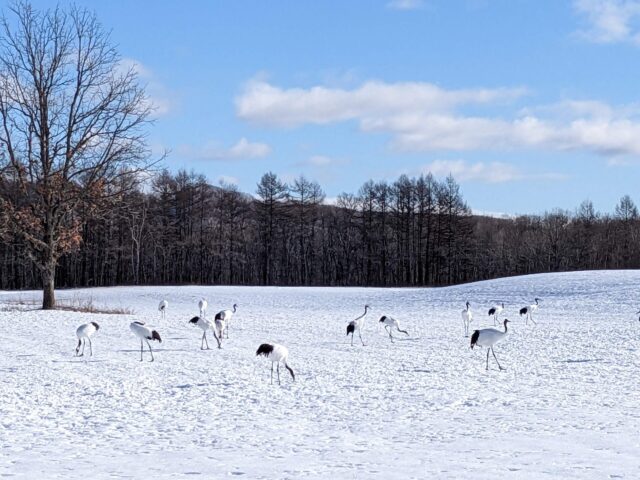
Tsurui-Ito Tancho Sanctuary — I suggest making this your reliable winter finale. I believe the sanctuary is the best place to witness the elegant dances of the Red-crowned Cranes, with peak viewing from late November to mid-March.
Tsurumidai — I recommend this as another iconic roadside viewing spot that offers excellent opportunities to observe and photograph these majestic birds in a snowy field setting.
While I have designed this itinerary to cover the best birding locations in Eastern Hokkaido, I must emphasize that nature remains unpredictable. I want to be clear that sightings of specific target species are never guaranteed, as birds move freely according to food availability and weather patterns. Furthermore, I have seen how winter in Hokkaido can bring sudden storms, heavy snow, or thick fog that may lead to the cancellation of boat cruises or the closure of certain roads.
To help you make the most of your birding expedition, I strongly recommend building extra time into your schedule. I believe that planning for buffer days or longer stays at key locations will give you the flexibility to wait out poor weather or try a second boat trip if the first is cancelled. I often say that patience is a birder’s greatest asset in the Japanese winter; by allowing for a slower pace, I believe you greatly increase your chances of witnessing the spectacular wildlife encounters that make this region world-famous.