
Even if you’ve come to Kushiro to sightsee, you might choose not to rent a car—for example, if:
-
You don’t have a driver’s license
-
You haven’t driven in a long time and don’t feel confident
-
You’re worried about driving on snowy winter roads
In fact, many travelers explore without a car for exactly these reasons.
Hokkaido is huge, so doing a wide “road-trip style” circuit can be inconvenient without a car. But if you focus on the Kushiro area, you can still visit plenty of highlights using trains and local buses.
Another advantage: when you’re not driving, you can relax and enjoy the scenery on the way.
That said, this isn’t unique to Kushiro—public transport in rural areas often runs less frequently, and it can be hard to figure out the best way to reach each spot.
So below is a detailed guide to how to visit nearby attractions from Kushiro Station using trains and route buses.
Note: By train you can also reach areas like Abashiri or Nemuro, but the distance becomes very large—so this guide mainly covers places that are realistically closer and easier to do as a day trip.
How to Get to Kushiro Marsh by Train
First, it’s important to know that Kushiro Marsh is enormous.
-
On the east side, the Senmō Main Line (the railway connecting Kushiro and Abashiri) runs through the area, so you can access some spots by train.
-
On the west side, you generally can’t reach the marsh by train—bus access is the main option.
In short:
Train = Hosooka Observatory & Lake Tōro
Bus = most other marsh locations from Kushiro Station
By Train: Hosooka Observatory & Hosooka Visitor Lounge
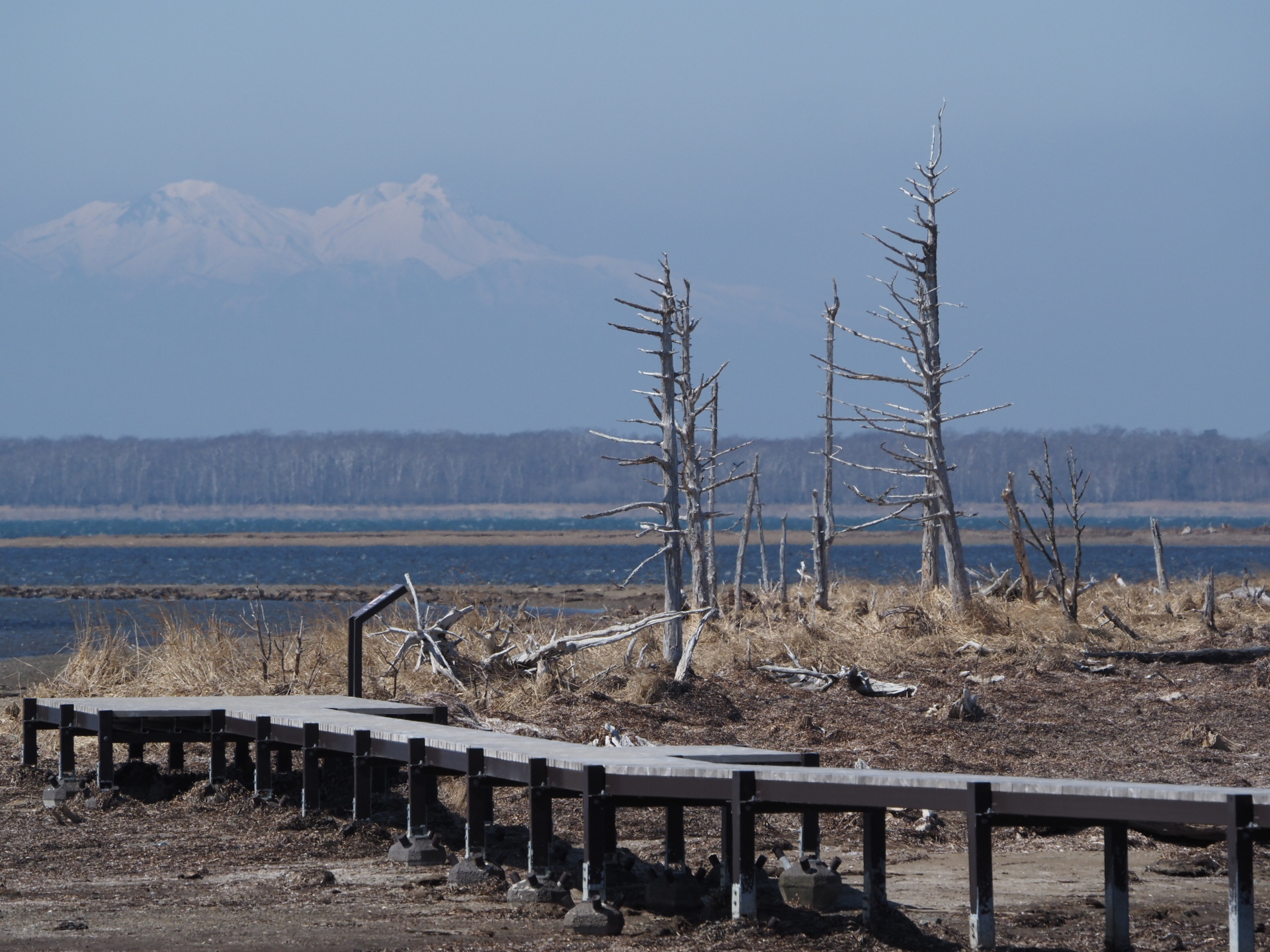
When people think of Kushiro, they often think of Kushiro Marsh. It’s Japan’s largest wetland, with vast, largely untouched nature. It’s also home to many kinds of wildlife and plants, including the red-crowned crane (tancho), which is designated a national natural monument.
The central marsh area is registered under the Ramsar Convention as an important wetland for waterbirds.
Because much of the marsh is protected and off-limits, the most common way to enjoy it is from viewpoints/observatories.
Hosooka Observatory: the “one place” viewpoint
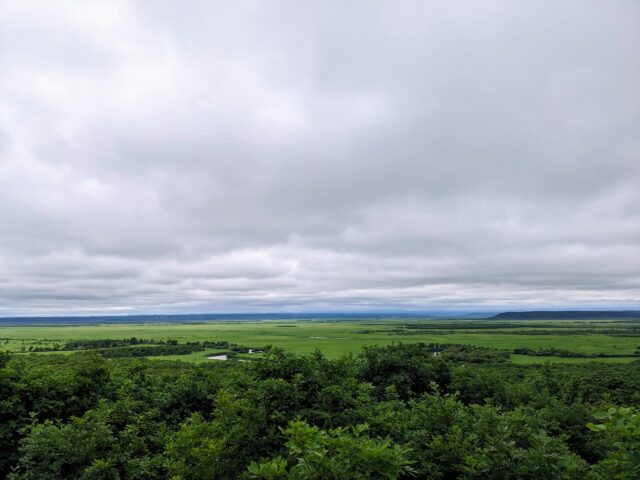
Hosooka Observatory is special because it’s the only viewpoint where you can take in both:
-
the wide expanse of the marsh, and
-
the Kushiro River winding through it
It’s also known as a sunset spot, and Kushiro is often associated with exceptionally beautiful sunsets.
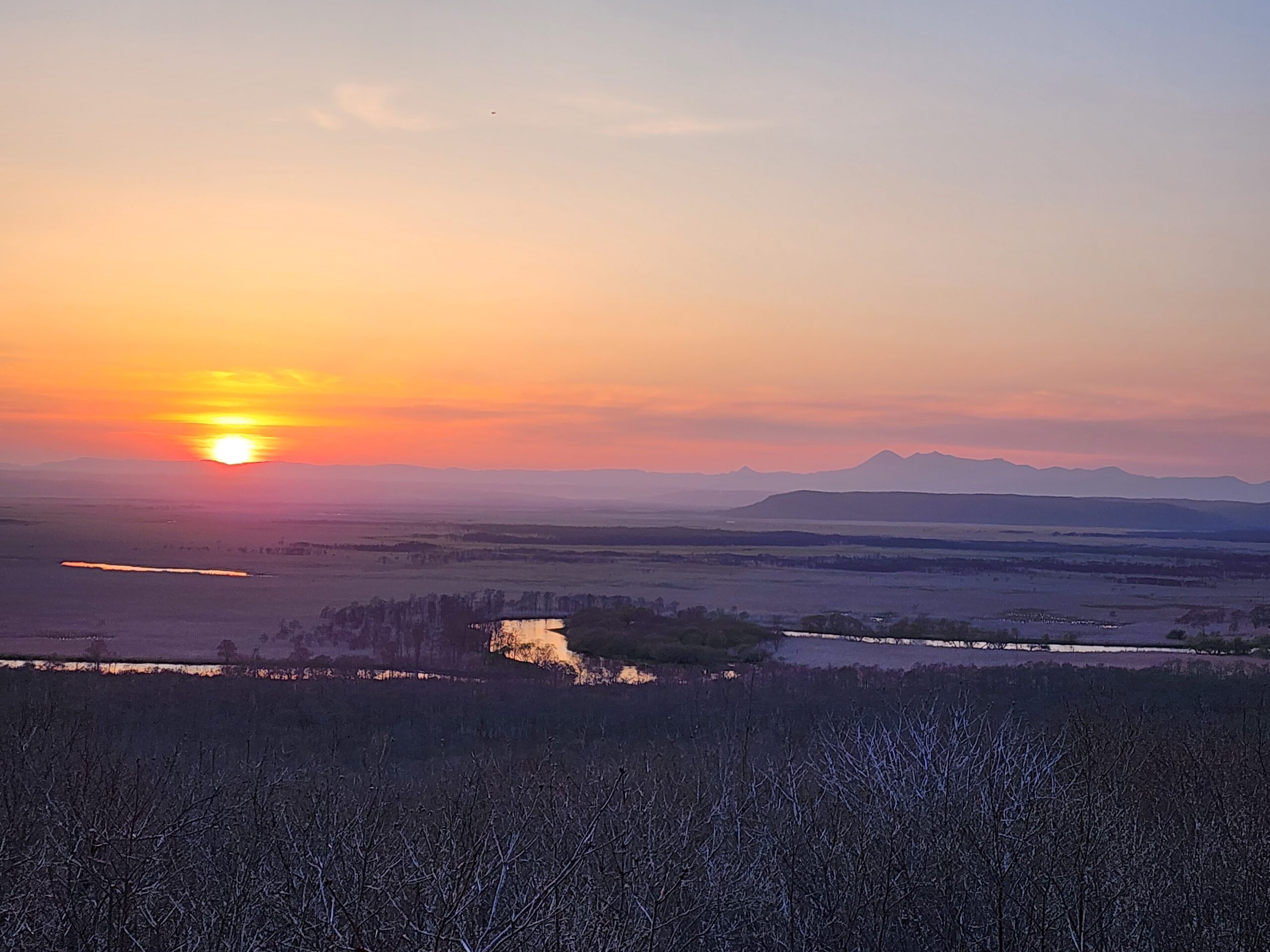
In winter, the sun sets early and the surroundings become very dark, so be especially careful when heading back.
Many visitors take a quick photo and leave—but if you bring binoculars, you can enjoy the view much more. It can be hard to spot wildlife with the naked eye, but red-crowned cranes sometimes come to feed along the river, and you may be lucky enough to see them.
If you can, also stop by the Hosooka Visitor Lounge nearby.
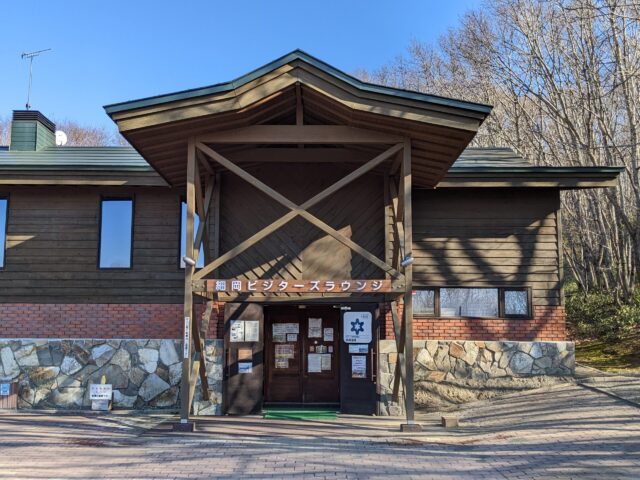
It displays photos of Kushiro Marsh and helps you learn more about the area. The staff can also tell you what flowers or birds are currently being seen, which makes the visit more rewarding.
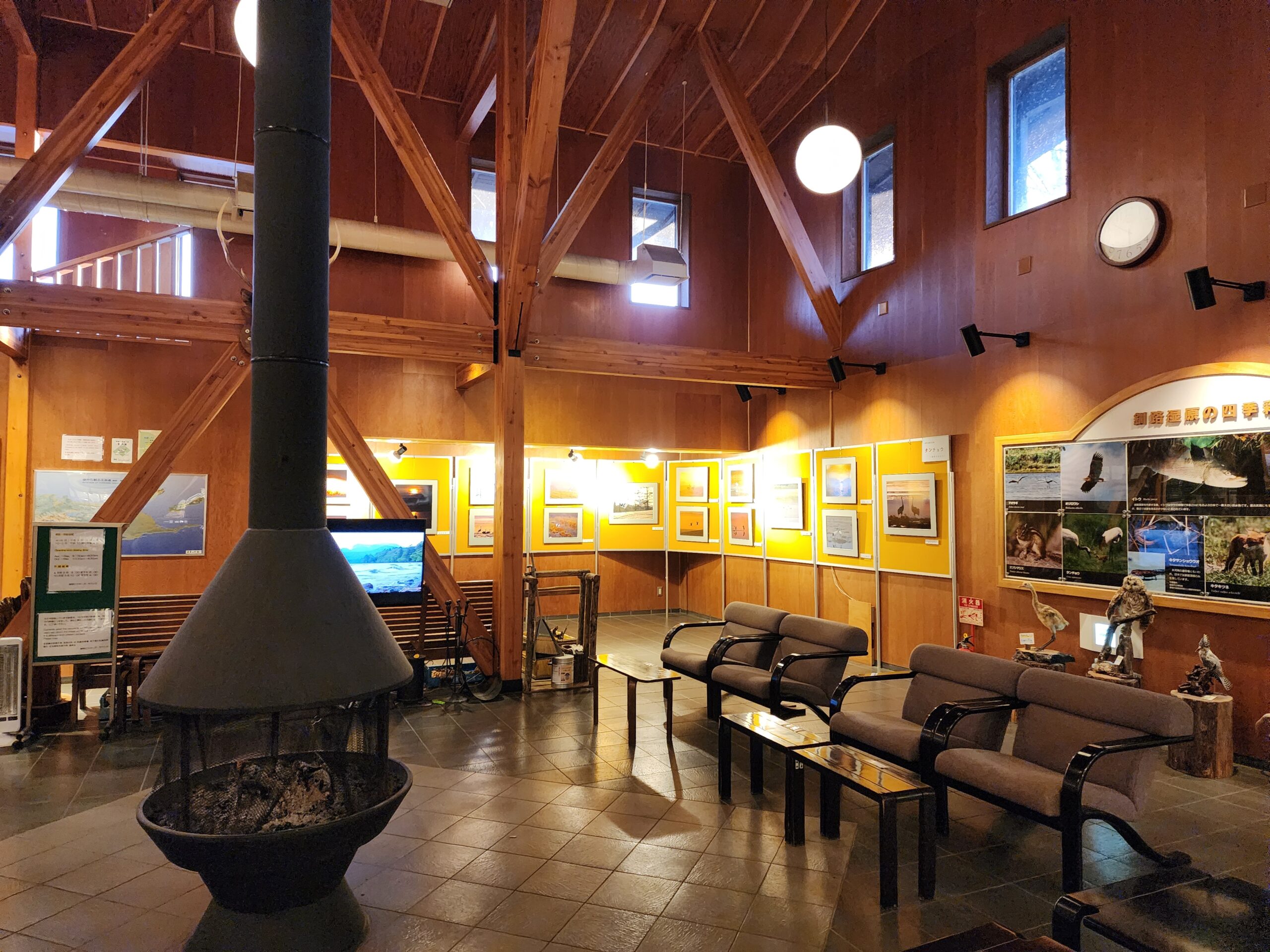
There’s also a light snack/café corner, and the soft-serve ice cream is said to be good (the original author notes they haven’t tried it yet).
Getting there (Hosooka Observatory)
From JR Kushiro Station, take the Senmō Main Line and get off at Kushiro-Shitsugen Station. From there, it’s about a 10-minute walk—the closest option.
In summer, a sightseeing train called the Norokko runs, which can make the trip feel more “special.” It’s popular, so early booking via JR Hokkaido’s website is recommended.
Important notes:
-
Kushiro-Shitsugen Station is a seasonal stop (summer only), so in winter this route isn’t available.
-
Trains are infrequent, and there are no streetlights on the way back to the station—after sunset it becomes extremely dark.
-
If you’re going, check the timetable carefully and plan around it.
By Train: Lake Tōro & the Sarubo / Sarurun Observatories
Lake Tōro (Tōroko) is on the east side of Kushiro Marsh and is the largest lake within the marsh area. (Other lakes in the area include Lake Takkobu and Lake Shirarutoro.)
Because the marsh’s west side is higher ground, many lakes are concentrated on the east side—so you’ll see many lakes and ponds in this region.
In winter, birdwatchers visit because you may see birds such as the white-tailed eagle and grey heron, and also the popular small bird known as shima-enaga.
Lake Tōro is also known for canoeing, with a classic route that goes downstream toward Hosooka.
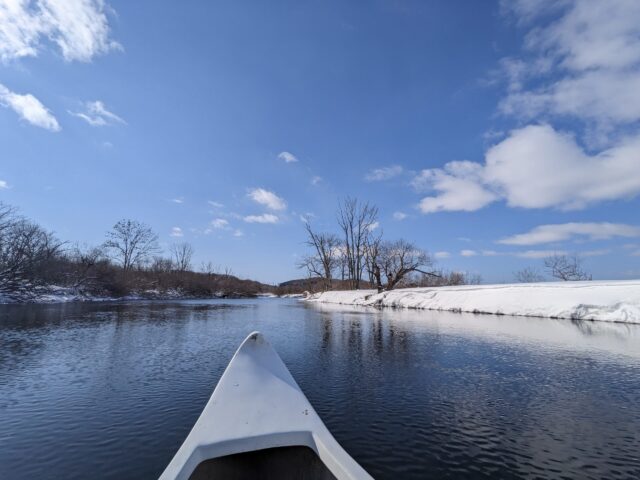
Depending on the season, there are various activities such as canoeing year-round, nature guide tours in summer, and ice fishing (smelt fishing) in winter.
Getting there (Lake Tōro)
From Kushiro Station, take the Senmō Main Line and get off at Tōro Station.
To reach the observatories you’ll climb a small hill, so winter snow can make it hazardous. From the station to the trail entrance is about 10 minutes, and you should allow 30–40 minutes from there to the viewpoints.
How to Reach Kushiro Marsh by Bus (West Side)
Taking the bus generally means visiting the west side of Kushiro Marsh. Bus routes can be a bit confusing, so pay close attention.
By Bus: Kushiro Marsh Observatory & Onnenai Visitor Center
Kushiro Marsh Observatory
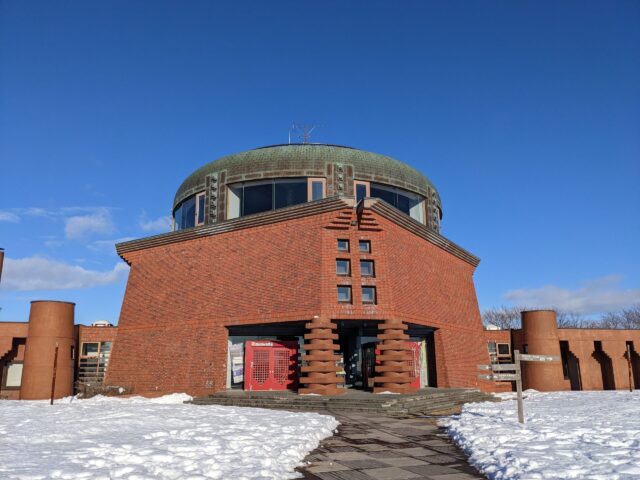
One of the main visitor hubs on the west side is the Kushiro Marsh Observatory.
-
1F: free space
-
2F: exhibits introducing the marsh’s plants and animals
-
3F + rooftop: viewing area
However, if you’re coming specifically for the big marsh view, especially in summer, trees in the foreground can block the scenery and make it harder to fully appreciate the scale.
A strong recommendation is to continue onto the boardwalk trail from the observatory and walk about 15 minutes to the Satellite Observatory. There, nothing blocks your view, and you can take in the marsh’s vast landscape.
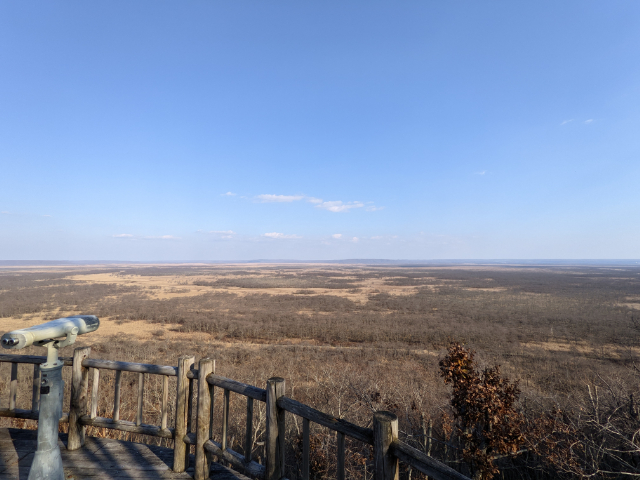
When there’s no snow, you can also do a loop walk and return to the main observatory, which can be a pleasant short hike. In winter, the trail is cleared at least up to the Satellite Observatory, so you can still enjoy the view.
Getting there (Kushiro Marsh Observatory)
You can reach it by bus from Kushiro Station.
At Kushiro Station there’s a bus terminal with many routes, so it’s easy to get confused. The bus for the Kushiro Marsh Observatory departs from Stop 15.
Several buses may arrive there—take Bus No. 20 and confirm the display says:
“20 Green Park Tsurui Spa”
The ride takes about 40 minutes. From the bus stop, the observatory is just a short walk.
Onnenai Visitor Center & Boardwalk
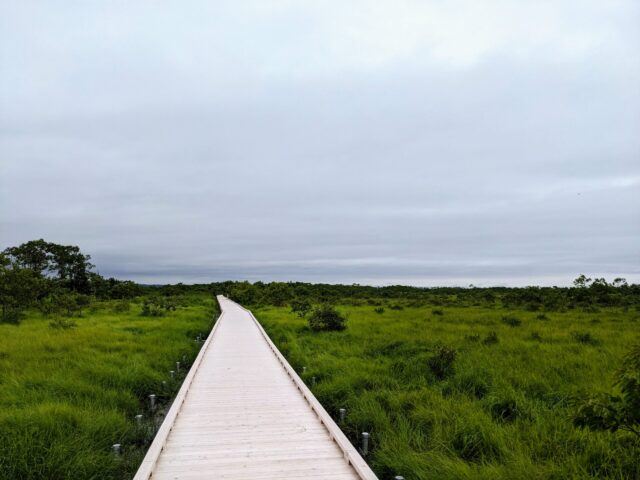
The Onnenai Visitor Center is close by—about 5 minutes north by bus from the observatory.
Next to the center is a barrier-free boardwalk (about 2 km) that lets you walk through the marsh landscape.
Because Kushiro Marsh is a protected area, you generally can’t enter freely—so this boardwalk is a valuable way to experience the environment up close.
This is especially enjoyable if you’re interested in plants, birds, or wetlands (if not, it may feel like “just a walking trail”).
There are two course options:
-
Outer loop: about 3 km / ~60 minutes
-
Inner loop: about 2 km / ~30 minutes
Along the way you’ll find explanation boards and benches, so you can rest while learning about the vegetation and wildlife.
In under an hour on mostly flat terrain, you can see a changing landscape—from reed/sedge marsh to sphagnum moss areas and alder forest.
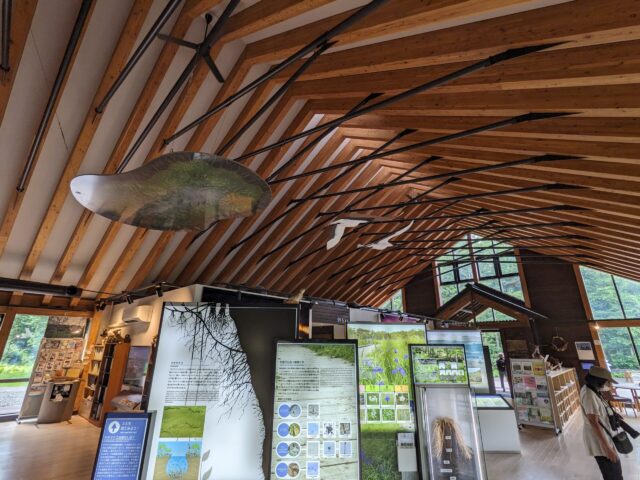
The visitor center itself has exhibits explaining how Kushiro Marsh formed and what plants and animals live there, so it’s recommended to take a quick look before walking.
Getting there (Onnenai Visitor Center)
Use the same Bus No. 20 and get off at the visitor center.
If you are traveling from the observatory to Onnenai, make sure you board the bus that still shows:
“20 Green Park Tsurui Spa”
(It’s easy to accidentally take a bus going back toward Kushiro Station.)
Many travelers do both the Onnenai boardwalk and the marsh observatory by bus, since the boardwalk loop takes about an hour.
A smooth route is:
-
Onnenai boardwalk
-
Kushiro Marsh Observatory
-
Return to Kushiro Station
Because buses are limited, check timetables in advance. You can also pick up timetables and get help at the tourist information desk at Kushiro Station.
By Route Bus: Lake Akan & Akanko Ainu Kotan
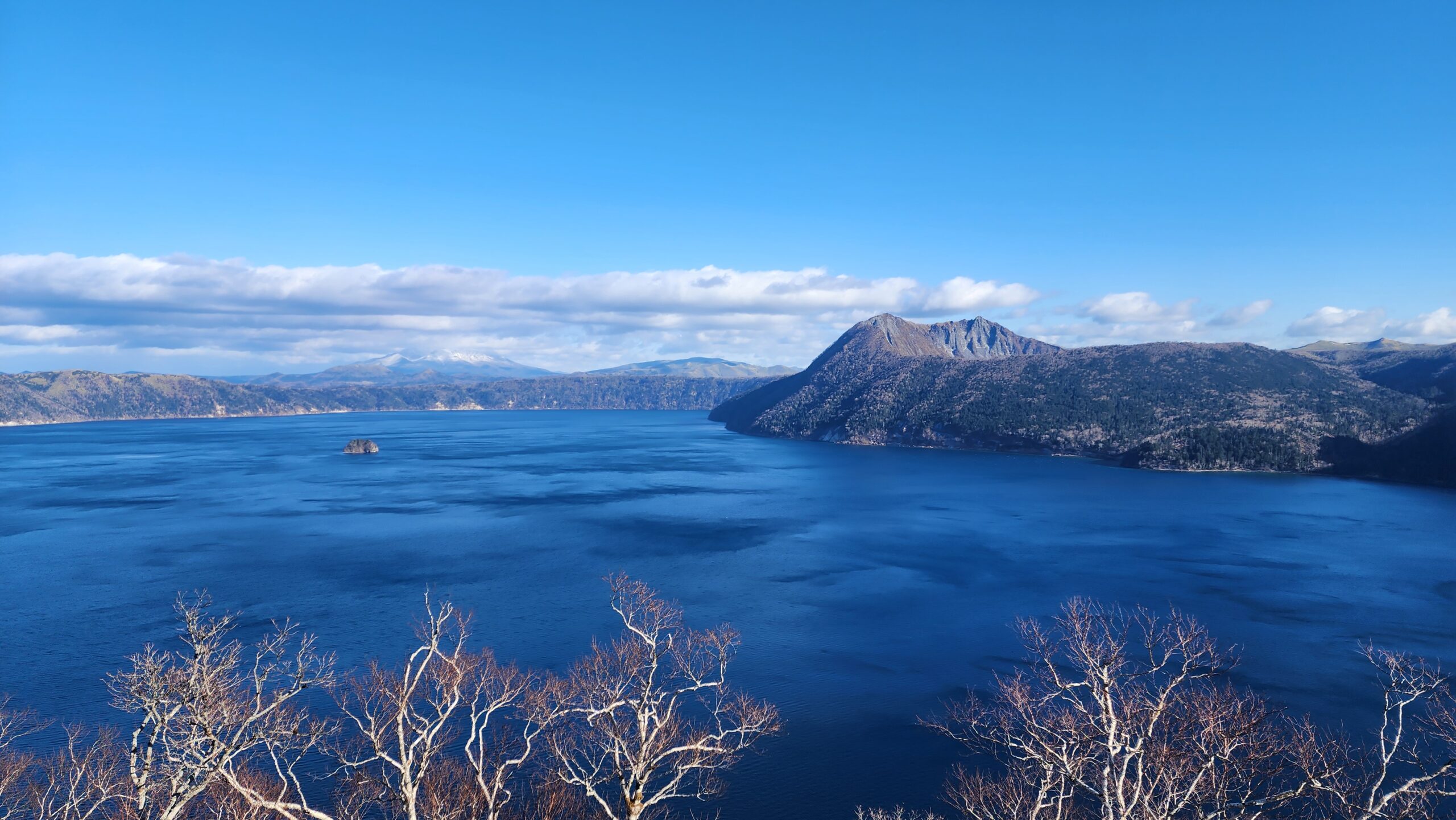
It’s a longer trip, but you can reach Lake Akan from Kushiro by bus.
Lake Akan

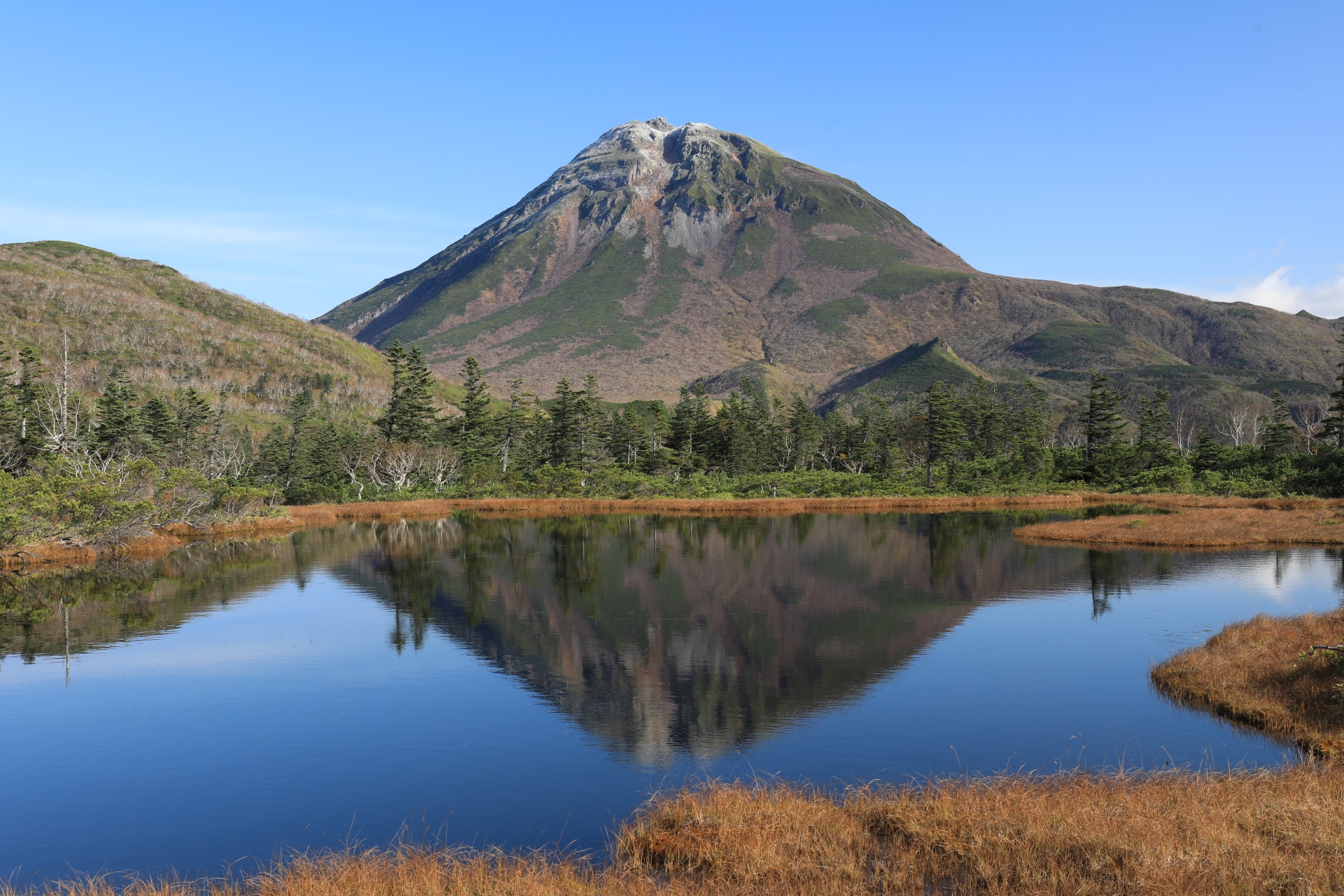
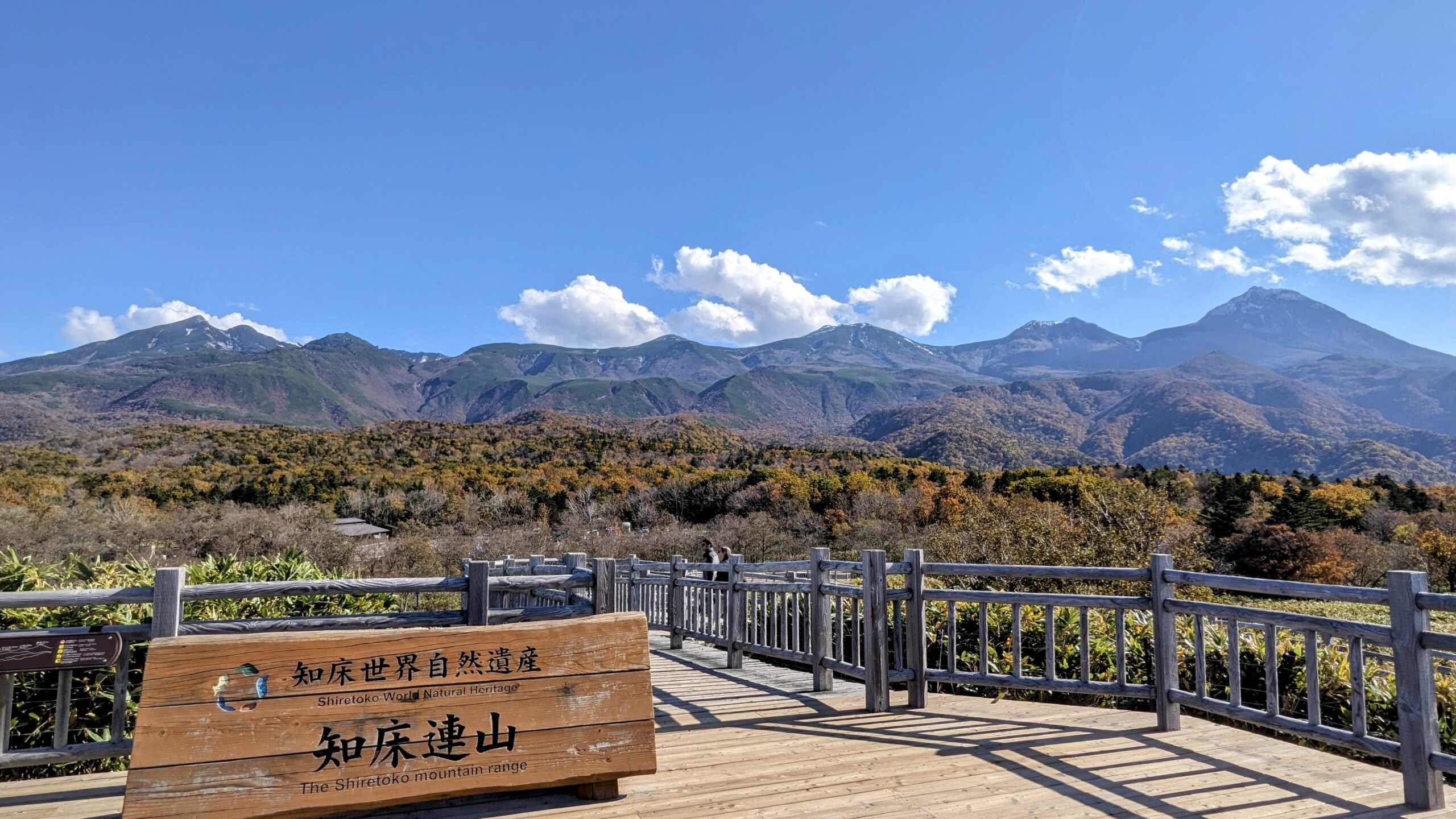
The Lake Akan area is known as a hot spring town and also as a scenic landscape of mountains and lake views. With just a short walk, you may come across striking scenery and natural phenomena.
Lake Akan is famous as a habitat of marimo (a special natural monument). The area is designated as part of Akan-Mashu National Park.
There are sights beyond the hot springs, including:
-
areas where you can feel volcanic activity (bokke)
-
walking paths along the lakeside
A small island on the lake, Chūrui Island, has the Marimo Exhibition and Observation Center, where you can see marimo up close. Access is only by sightseeing boat, and it operates May to November. If seeing marimo is a priority, visiting during that season is recommended.
Akanko Ainu Kotan
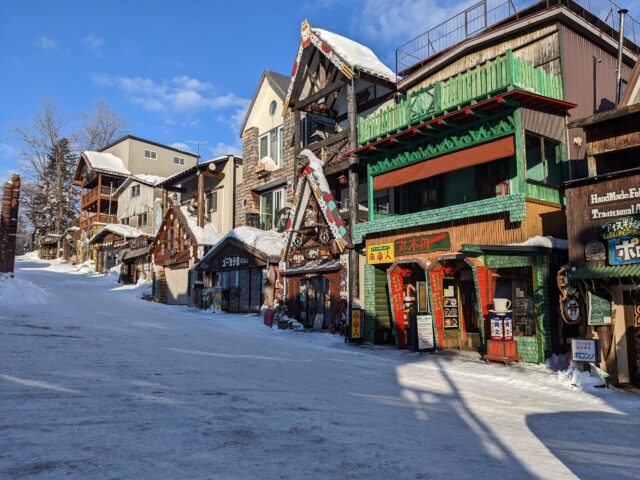
Along the lakeshore is the Akanko Onsen hot spring town with hotels, restaurants, and souvenir shops. Within it, Akanko Ainu Kotan is the largest Ainu Kotan in Hokkaido.
“Kotan” means “village” in the Ainu language, and about 130 Ainu people live there today.
The Akan Ainu Theater Ikor is described as Japan’s first indoor theater dedicated to Ainu culture. Events such as Ainu dance are held year-round, offering a chance to experience and learn about Ainu culture.
Lake Akan has many more highlights than can be covered here.
Getting there (Lake Akan)
From in front of Kushiro Station, take the Akan Line route bus to Akanko Bus Center. The ride takes about 2 hours, so an overnight stay can also make sense.
There are also sightseeing buses that loop through Akan National Park and may include Lake Akan as well as areas like Kawayu and Mashu before returning to Kushiro—if you want to see more, search for “Pirika-go”.
To board from Kushiro Station, use Bus No. 30 (Akan Line) from the station bus rotary. Buses are limited, so check timetables in advance.
By Route Bus: Red-crowned Crane Nature Park
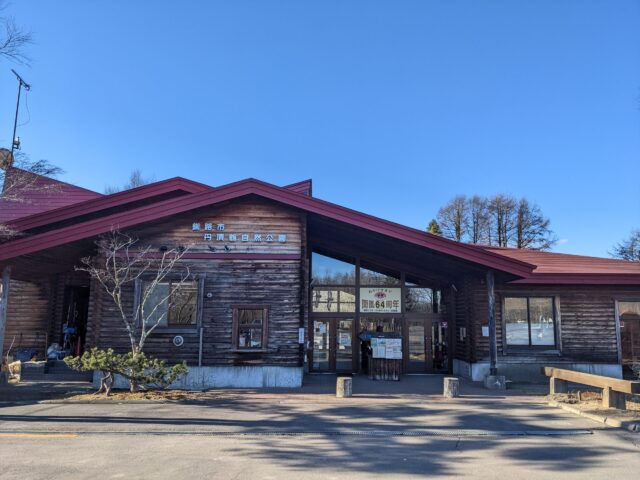
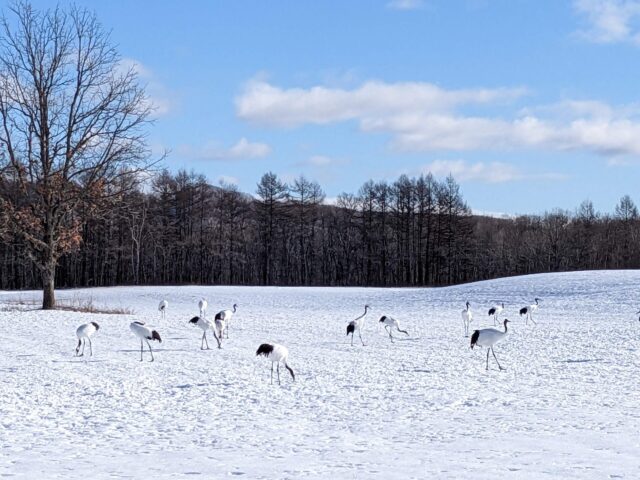
The Red-crowned Crane Nature Park was created to protect and raise red-crowned cranes (a special natural monument). It’s known for achieving the world’s first successful artificial hatching of tancho in 1970.
In the park’s wetland area, cranes are kept in a semi-free-ranging environment, and you can observe them year-round.
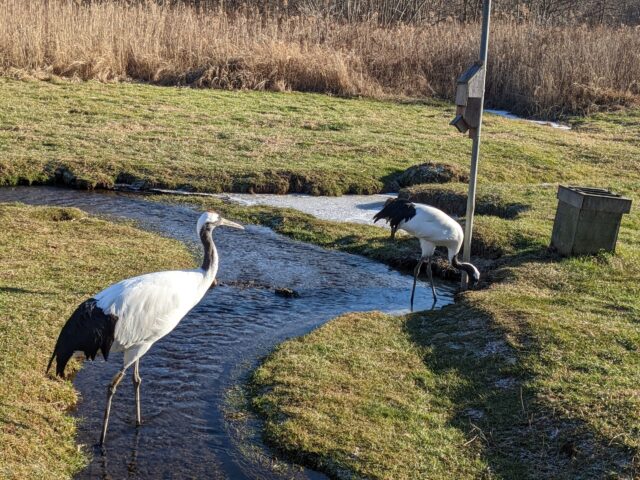
Even though the crane population has been increasing, they’re still a protected natural monument and not easy to encounter reliably in the wild—so if you want the best chance to see them, this park is a good option.
Access: From the Kushiro Station bus terminal, take the route bus bound for the Lake Akan area (Bus No. 30) for about 1 hour.
Save Money: “Shitsugen 55 (GO!GO!) Pass”
The Kushiro area has many popular spots such as Kushiro Marsh and Lake Akan. For getting around the Kushiro area, trains and route buses can be a convenient and cost-effective choice.
The Shitsugen 55 (GO!GO!) Pass is a value ticket that covers visits to:
-
Kushiro City Marsh Observatory
-
Kushiro City Zoo
-
Red-crowned Crane Nature Park
-
Akan International Crane Center
-
Kushiro City Museum
Buying separate admission tickets would cost 2,500 yen, but with this pass you can purchase it for 1,030 yen. If you plan to visit three or more places, pick it up at tourist information counters in Kushiro Airport or Kushiro Station.