ODAITO NEST おだいとうネスト
-野付半島まで10分の個室ゲストハウスー

ODAITO NEST おだいとうネスト
-野付半島まで10分の個室ゲストハウスー

I have designed this winter itinerary as a scenic loop through Eastern Hokkaido, beginning with the iconic red-crowned cranes of Kushiro and Tsurui. The route leads you inland to the frozen lakes of Akan, Mashu, and Kussharo before heading to the drift-ice coastlines of Rausu, Utoro, and Abashiri. While I have built the plan around fixed-time activities like boat departures, I have ensured it remains flexible enough to handle unpredictable winter conditions.
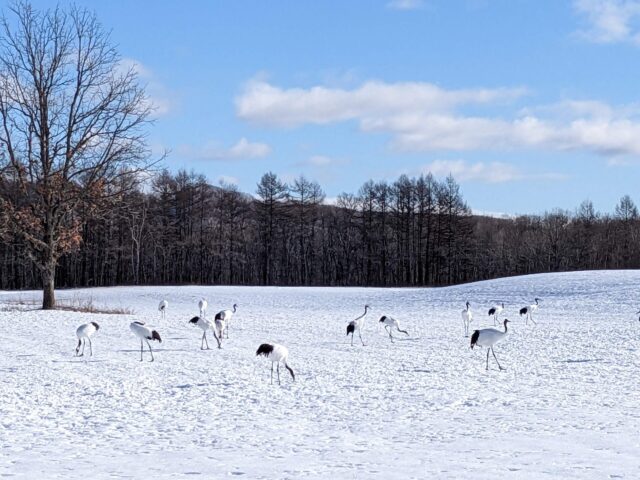
I consider Kushiro and the village of Tsurui to be the premier regions for crane watching. I recommend starting here to immerse yourself in the quintessential winter atmosphere of Eastern Hokkaido from your very first afternoon.
Stay: Kushiro
Recommended Stops:
Tsurumidai — I suggest this famous roadside observation point where red-crowned cranes frequently gather in the snowy fields.
Tsurui-Ito Tancho Sanctuary — I recommend this dedicated sanctuary where I often observe these majestic birds from late November through mid-March.
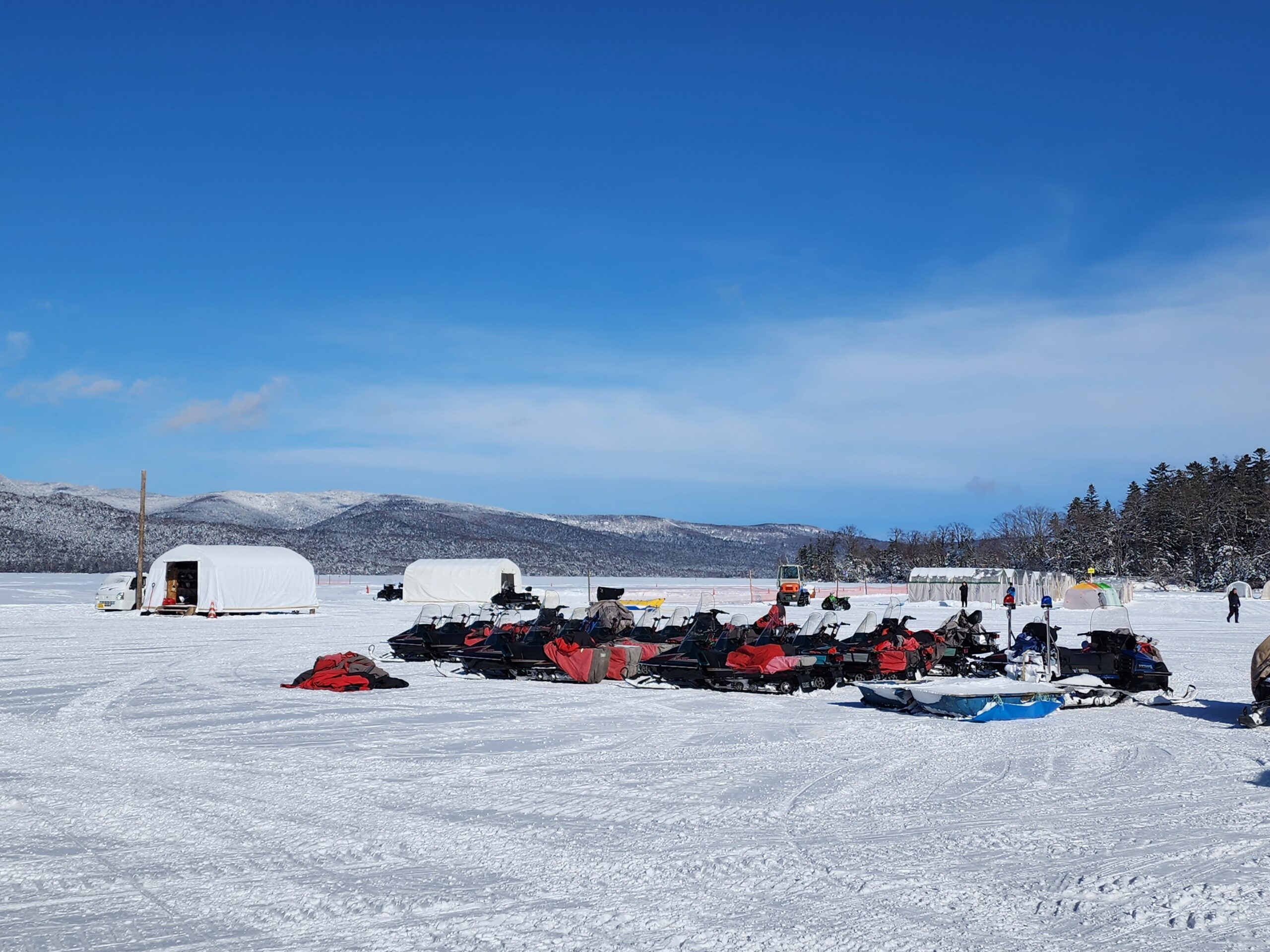
Before I lead you back to the coast, I suggest heading inland for a unique experience on the frozen surface of a caldera lake.
Stay: Lake Akan
Recommended Stops:
Wakasagi (Smelt) Ice Fishing — I recommend this classic activity from January to March. I enjoy the experience of fishing through the thick lake ice, followed by a fresh tempura fry of the catch.
Akanko Ainu Kotan — I suggest visiting this traditional Ainu village in the evening. I find the atmosphere perfect for exploring craft shops and experiencing local cultural performances.
I have tailored this day for effortless winter sightseeing, focusing on grand viewpoints and geothermal wonders that I find easy to access without strenuous hiking.
Stay: Lake Mashu / Lake Kussharo area (Kawayu Onsen)
Recommended Stops:
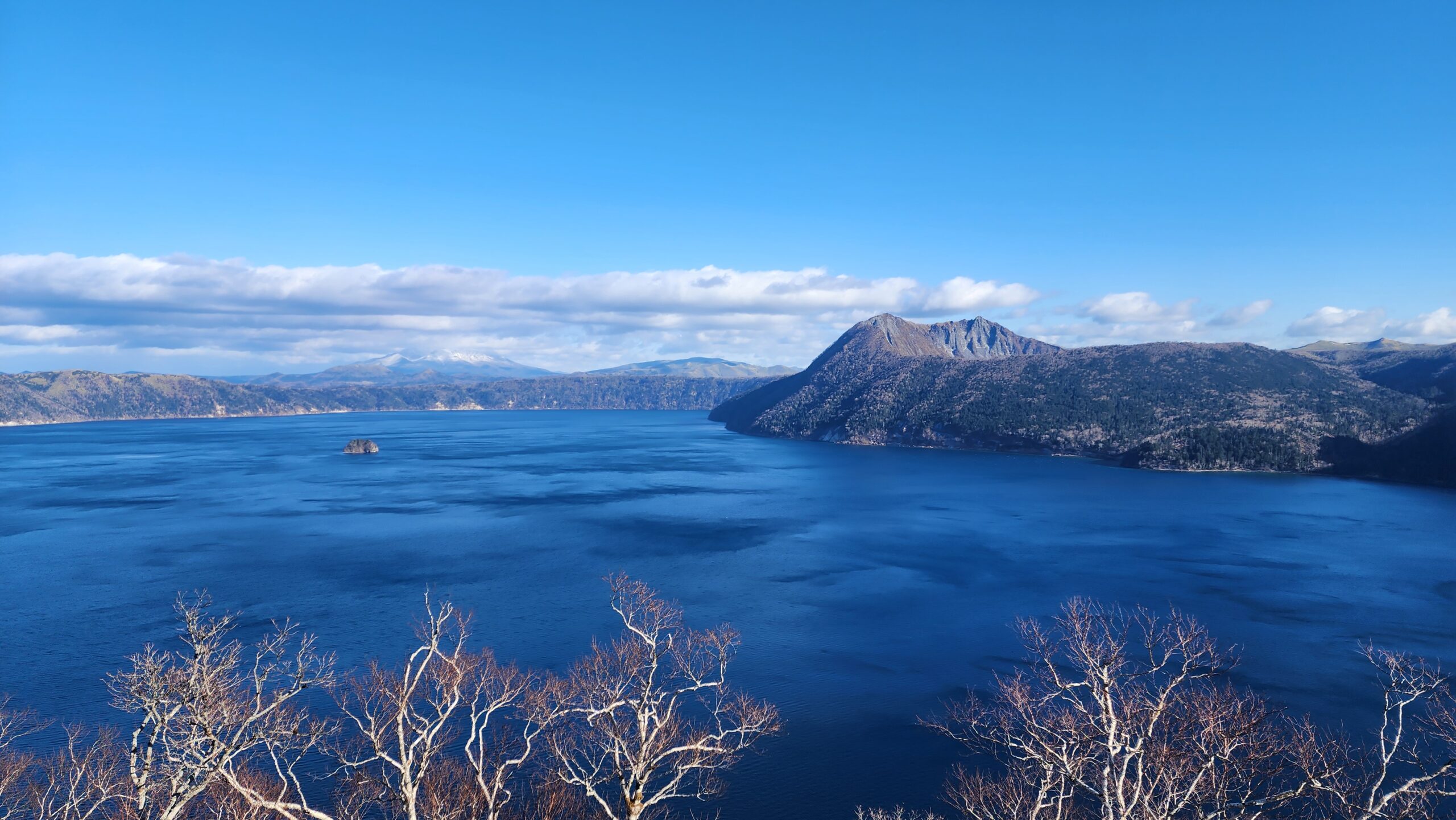
Lake Mashu Viewpoints — I recommend visiting the rim to see the silent beauty of this iconic lake. I find the contrast between the deep blue water and the snow truly stunning when the mist clears.
Mt. Io (Iozan) — I suggest walking among the active steam vents here. I find it a powerful way to feel the earth’s raw energy amidst the white volcanic landscape.
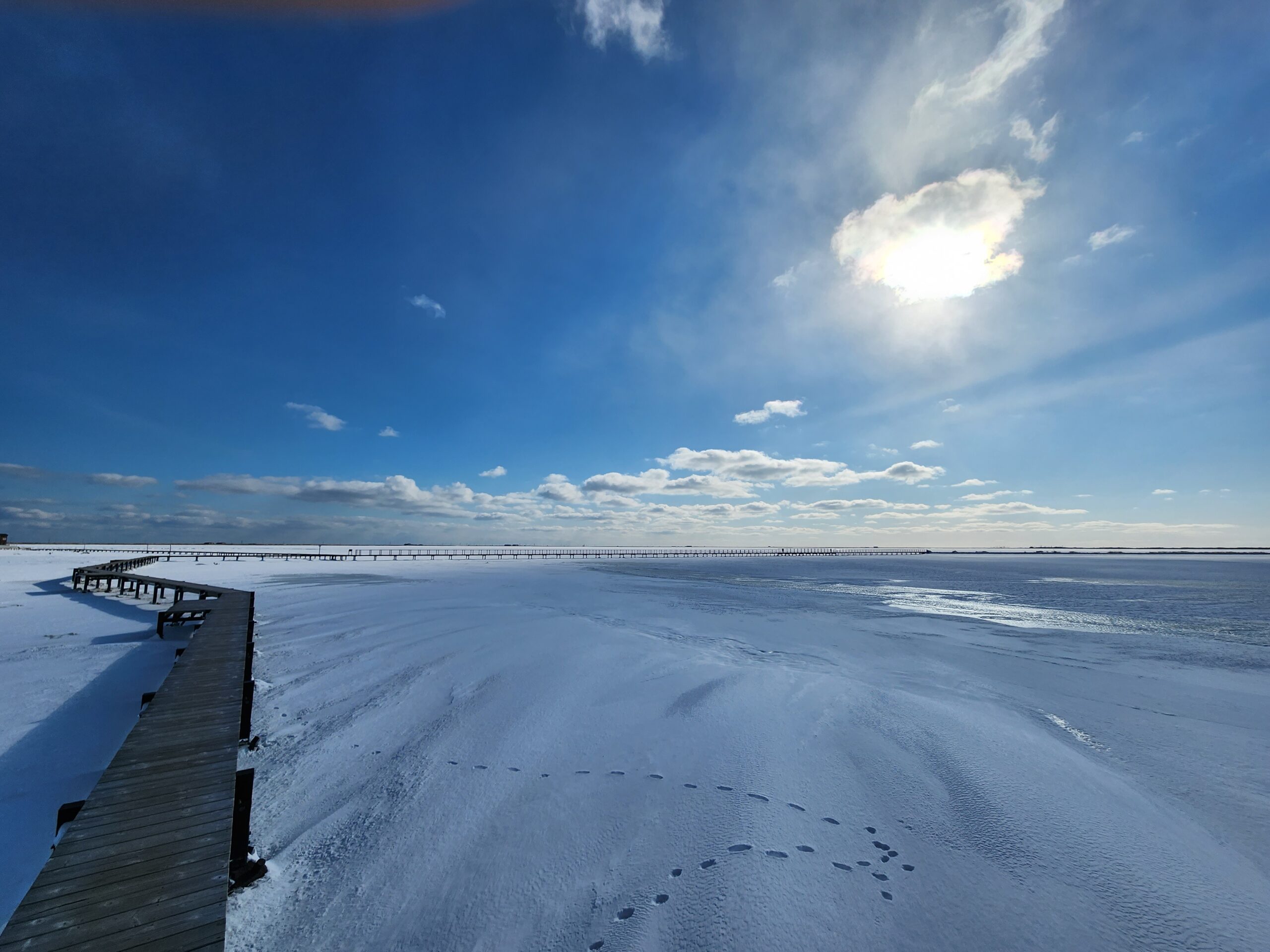
I have specifically chosen an overnight stay in Odaito to provide a smooth transition to Rausu. I also want you to witness the extraordinary phenomenon of Notsuke Bay freezing into a seamless ice horizon.
Stay: Odaito / Notsuke Peninsula area
Recommended Stops:
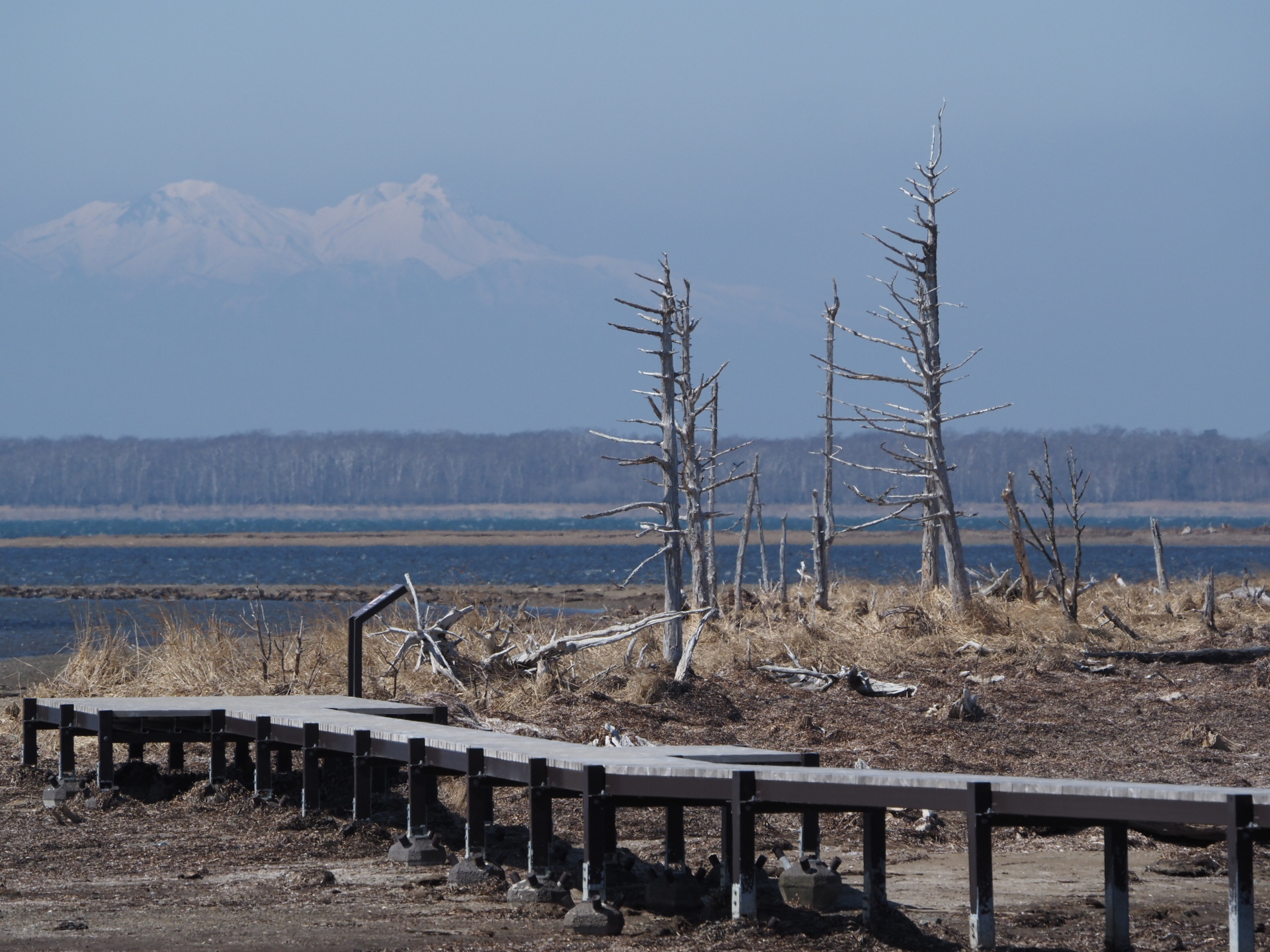
Todowara — I suggest walking the boardwalk to see this haunting landscape of withered trees, which I find particularly poignant against the winter snow.
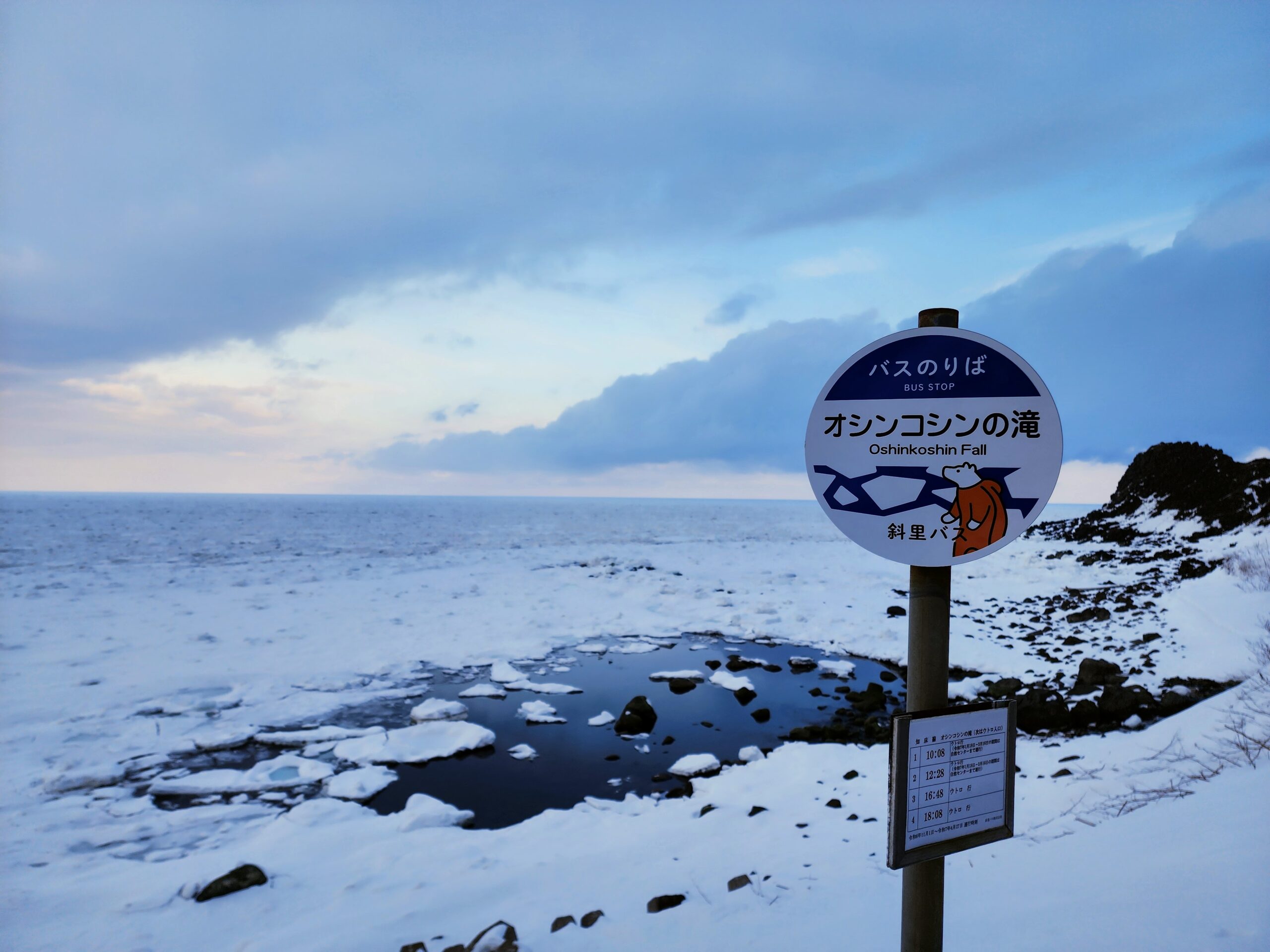
Notsuke Bay Ice Horizon Walk — I highly recommend this guided experience available from late January to March. I consider it a rare chance to trek onto a frozen bay where the ice seems to meet the sky.
I have centered this day on the cruise schedule. I recommend coordinating your travel carefully with the operator’s departure times, as sailings typically vary between morning and afternoon.
Stay: Rausu
Recommended Stops:
Rausu Port — I advise you to arrive early for check-in as required by the boat operators.
Drift Ice & Bird Watching Cruise — I suggest embarking on this expedition to find Steller’s sea eagles and white-tailed eagles resting on the floating drift ice.
While Rausu offers views from the boat, I recommend Utoro as the place to experience the ice up close—literally walking on the frozen sea surface.
Stay: Utoro
Recommended Stops:
Drift Ice Walk — I suggest donning a specialized dry suit for a guided adventure onto the ice. I consider this immersive experience a seasonal highlight of the region.
Oronko Rock — I recommend this short climb to a panoramic lookout. I find it provides the best bird’s-eye view of the winter harbor and the Okhotsk Sea.
I have designed this as a flexible driving day along the Okhotsk coast, where I often see the drift ice pressing right up against the shore.
Stay: Abashiri
Recommended Stops:
Okhotsk Coastal Drive — I suggest taking your time on the road to Abashiri. I recommend stopping at scenic turnouts to scan the horizon for the ice edge.
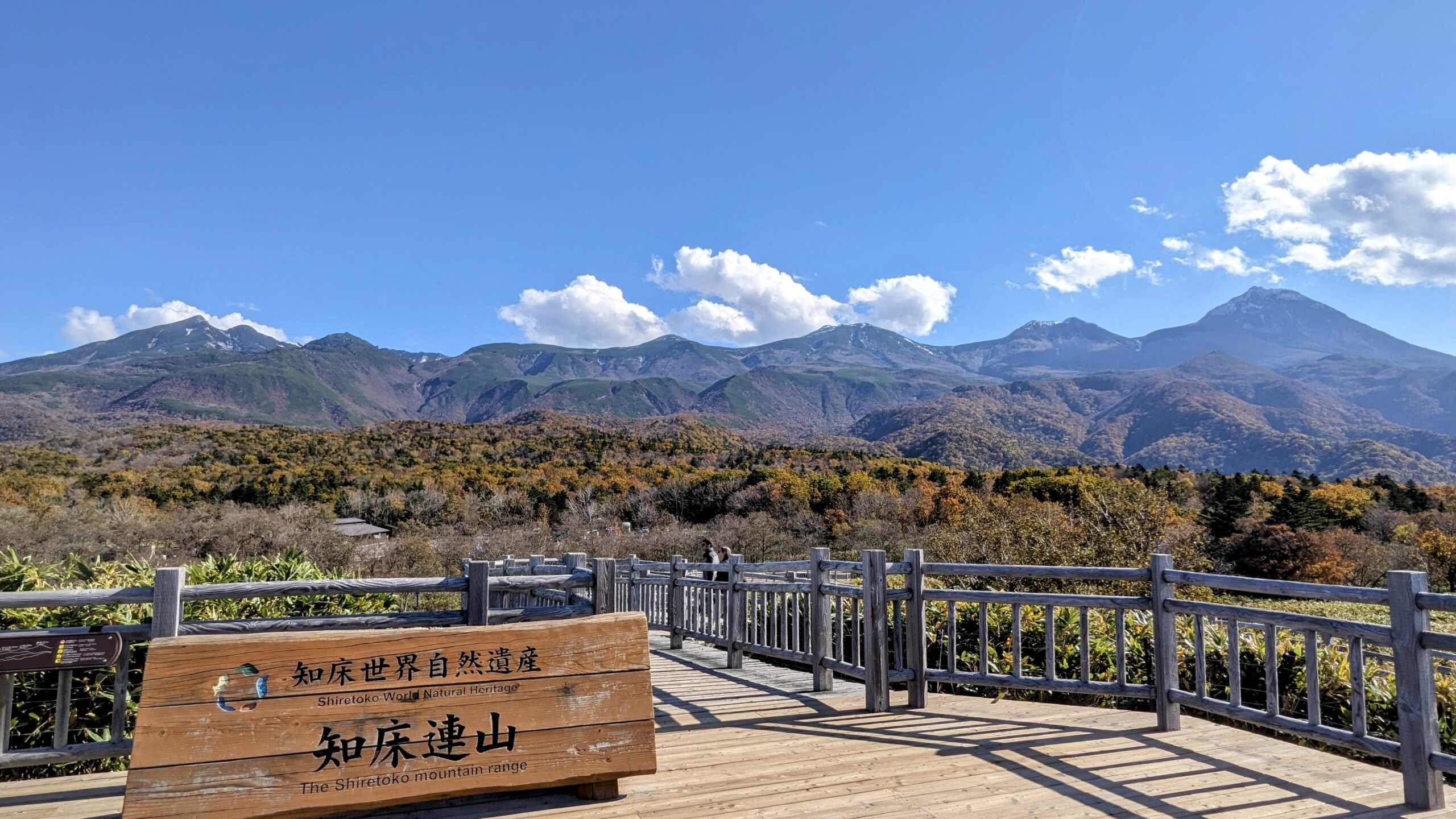
Seaside Photo Spots — I recommend using the clear winter light here to capture the dramatic shoreline where the Shiretoko mountains meet the frozen sea.
I recommend concluding your journey with the powerful experience of an icebreaker cruise before I see you off to the airport or station.
Stay: Abashiri (or departure)
Recommended Stops:
Icebreaker Aurora — I suggest this powerful vessel as the grand finale to your tour, as it crushes through the thick sea ice of the Okhotsk.
Okhotsk Ryu-hyo Museum — If you have time before your departure, I recommend this museum on Mt. Tento for a deeper understanding of the drift-ice ecosystem.
I believe traveling through Eastern Hokkaido in winter is an awe-inspiring experience, but I must emphasize that it requires careful preparation. I have seen how winter road conditions can change rapidly, with snow and whiteout visibility making driving challenging even for experienced travelers.
To ensure you have a safe and stress-free journey, I highly recommend choosing a few central locations as hubs and staying for multiple nights. By doing so, I believe you can reduce your time on the road during difficult conditions and maintain the flexibility to adjust your plans if weather-related delays occur. I find that slowing down not only keeps you safe but also allows you to truly immerse yourself in the quiet, mystical beauty of this frozen wilderness.