ODAITO NEST おだいとうネスト
-野付半島まで10分の個室ゲストハウスー

ODAITO NEST おだいとうネスト
-野付半島まで10分の個室ゲストハウスー
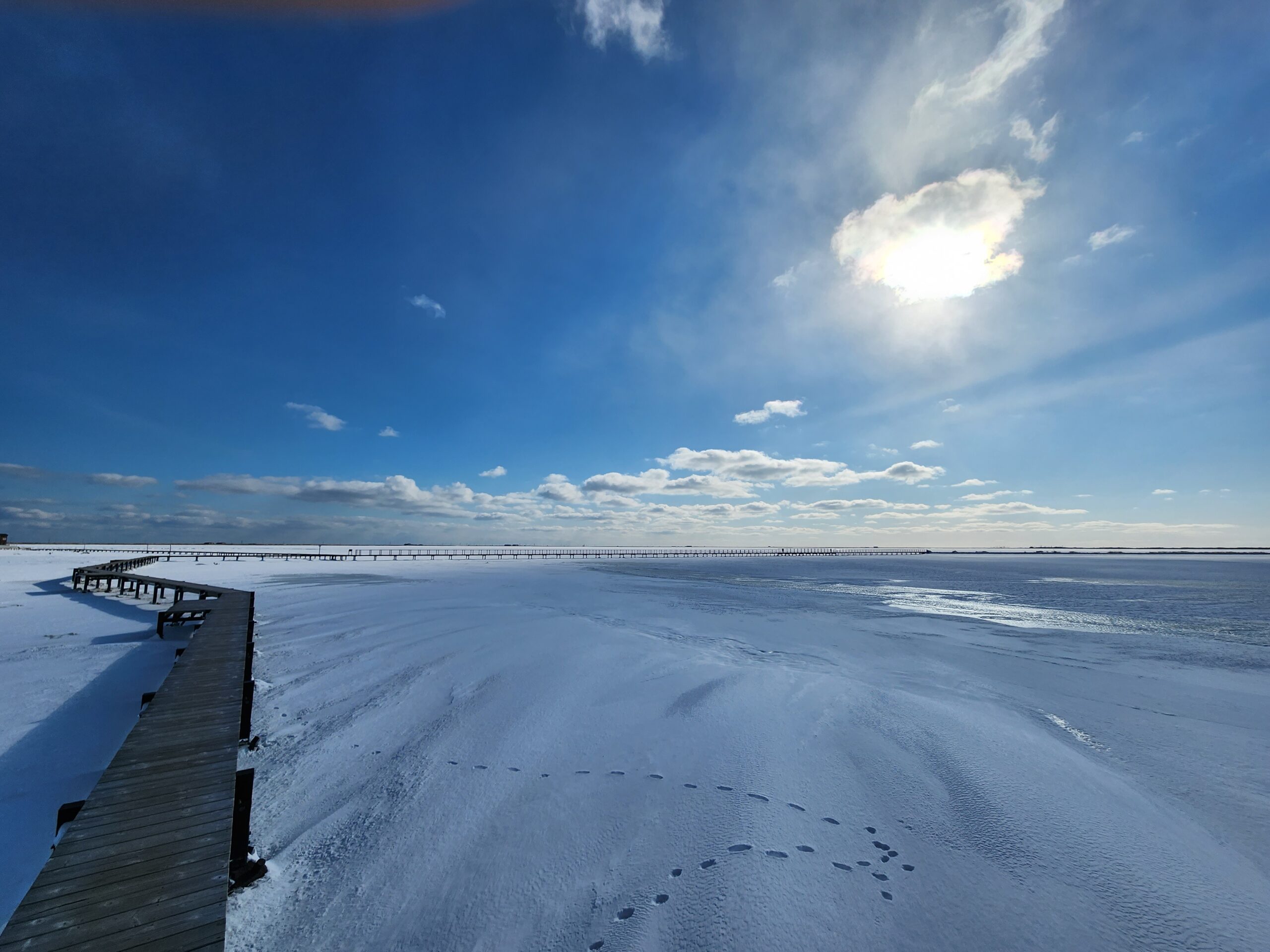
Winter in Eastern Hokkaido is one of the most beautiful seasons in Japan, but it can feel far colder than many travelers expect. Temperatures can drop to around –20°C, and how it feels changes a lot depending on sunlight, wind, and where you are in the region. Dress the right way, and you can enjoy long hours outside comfortably. Dress the wrong way, and even a short walk can turn unpleasant.
Eastern Hokkaido is vast—roughly the size of Taiwan—and winter conditions vary by area. Coastal cities like Abashiri (Sea of Okhotsk), inland areas like Kitami, and the Pacific-side cities of Kushiro and Nemuro don’t always feel the same. The climate around Akan–Mashu National Park can also differ from the coast.
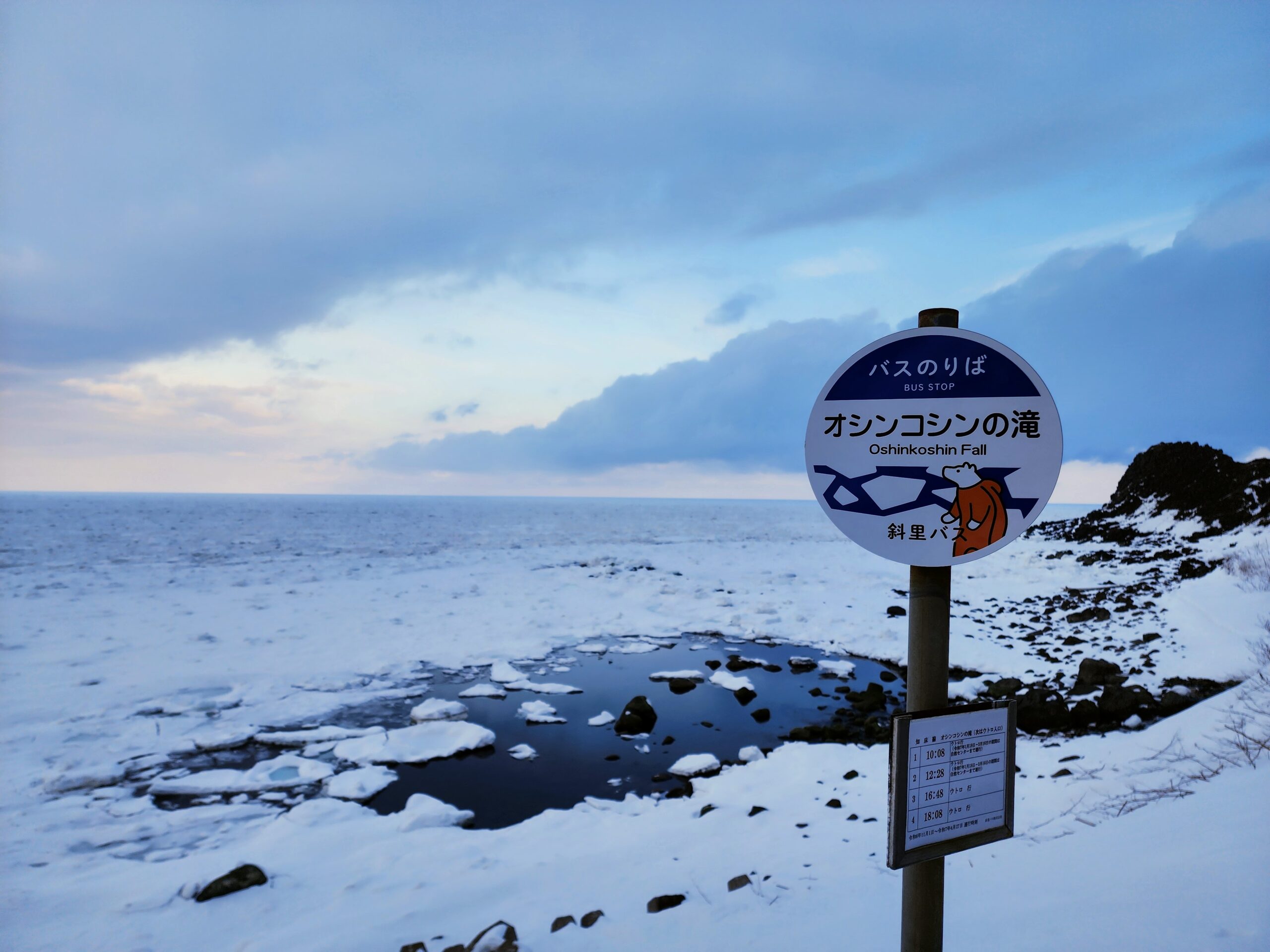
Compared with western Hokkaido—Sapporo, Otaru, Niseko, and Furano, which are known for heavy snowfall—Eastern Hokkaido (especially the Pacific side) often has less snow. Many visitors are surprised by how little snow they see. The trade-off is that radiative cooling can drive temperatures down sharply, and exposed coastal areas can feel brutally cold when the wind picks up. On clear sunny days, you may feel “less cold than the number suggests,” but without sun—or in strong sea wind—the cold can hit hard.
The most important rule for winter clothing here is simple: layering. Instead of relying on one heavy outfit, wear multiple lighter layers so you can adjust throughout the day.
This matters because Eastern Hokkaido often involves big temperature changes between outdoors and indoors. Buildings in Hokkaido are typically well insulated and strongly heated. Even when it’s –10°C outside, restaurants or hotels can feel warm enough to be comfortable in a T-shirt. If you overdress for the outdoors, you’ll sweat indoors—and that sweat can make you feel much colder when you step back outside. In winter, it’s not only about how warm your clothing is, but also how easily you can take layers on and off. Zip-up fleece and front-opening light down jackets help, and carrying a backpack or tote bag makes it easy to store layers quickly.
Start with a base layer that manages moisture. Avoid 100% cotton next to your skin. Cotton absorbs sweat, dries slowly, and can steal your body heat once it gets damp. Instead, choose heat-retaining or quick-drying synthetic base layers—especially if you plan outdoor activities such as snowshoe walks, where you may sweat even in freezing temperatures.
Over that, add a warm mid layer such as fleece, a sweater, or a thin inner down jacket. This creates an insulating “air layer” that helps you stay warm without bulky clothing.
For the outer layer, wind protection is crucial. A wind-resistant down jacket or winter coat is a safe choice for Eastern Hokkaido, where many travelers spend long periods outdoors enjoying nature rather than shopping indoors. Coats that let wind through—or wool coats that easily collect snow—are not ideal for outdoor-focused travel.
Layering isn’t just for your upper body. Thermal leggings or tights under your pants make a noticeable difference in comfort. If you’ll be outdoors for long periods, windproof or waterproof pants are especially helpful. Jeans are not recommended for outdoor winter travel: they’re stiff, slow to dry, and uncomfortable in cold, windy conditions.
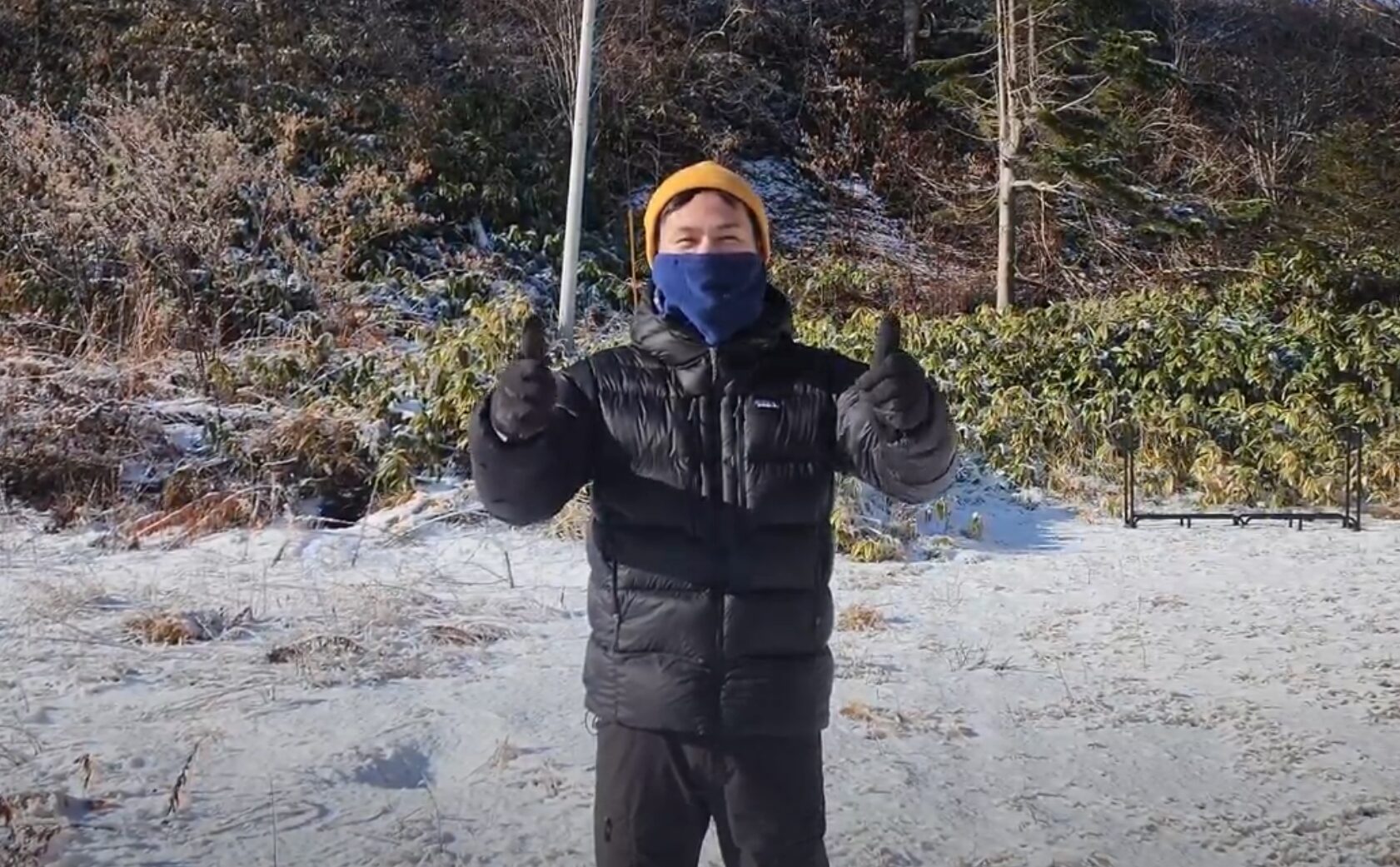
From mid-December onward, temperatures often drop below –10°C, so accessories matter. Your hands, ears, neck, and face lose heat quickly. Bring windproof gloves, a knit hat, and a scarf or neck warmer to reduce exposed skin.
If you plan to visit windy capes or walk along the coast, exposed skin can feel painful rather than simply cold, and frostbite becomes a real risk. In those conditions, covering exposed areas isn’t optional—it’s a safety measure.
Footwear is a common mistake. Even though Eastern Hokkaido may have less snow, it often has more ice than visitors expect. Shaded sidewalks and crosswalks can turn into slick, glass-like surfaces. Sneakers or leather shoes are not ideal.
Choose ankle-high snow boots with strong traction. Shoes with hard, smooth soles are dangerous because they slip easily on even mild ice.
Some travelers consider snow spikes. They can help on icy roads, but they’re slippery on indoor floors like tile or marble, and some shops don’t allow spikes because they can damage the floor. If you can’t bring snow boots, winter footwear and traction devices are often available at airports.
If you’re worried about the cold, disposable hand warmers are a great option. In Hokkaido, drugstores like Tsuruha Drug sell many types: stick-on warmers, pocket warmers you hold in your hands, and foot warmers you place on the bottom of your feet. Hands, your core (stomach area), and toes get cold especially fast, and warmers can noticeably change how warm you feel. They’re only a supplement to proper winter clothing, but on days when you’ll spend a long time outside, having a few with you is reassuring.
To reduce the risk of slipping, use the “penguin walk,” a common winter tip in Japan. Take small steps, place your whole foot flat, and move slowly without rushing. Keep your weight slightly forward, and imagine stepping so your body weight stays over your feet. This makes it harder to slip, and even if you do, you’re less likely to fall badly.
Eastern Hokkaido in winter can be cold, but it’s absolutely manageable with the right approach. Focus on layering, moisture control, wind protection, and safe footwear. Make your outfit easy to adjust as you move between warm indoor spaces and freezing outdoor air, and you’ll be able to enjoy the region’s winter scenery safely and comfortably.